Best Time to Travel to Tanzania

Best Time to Travel to Tanzania

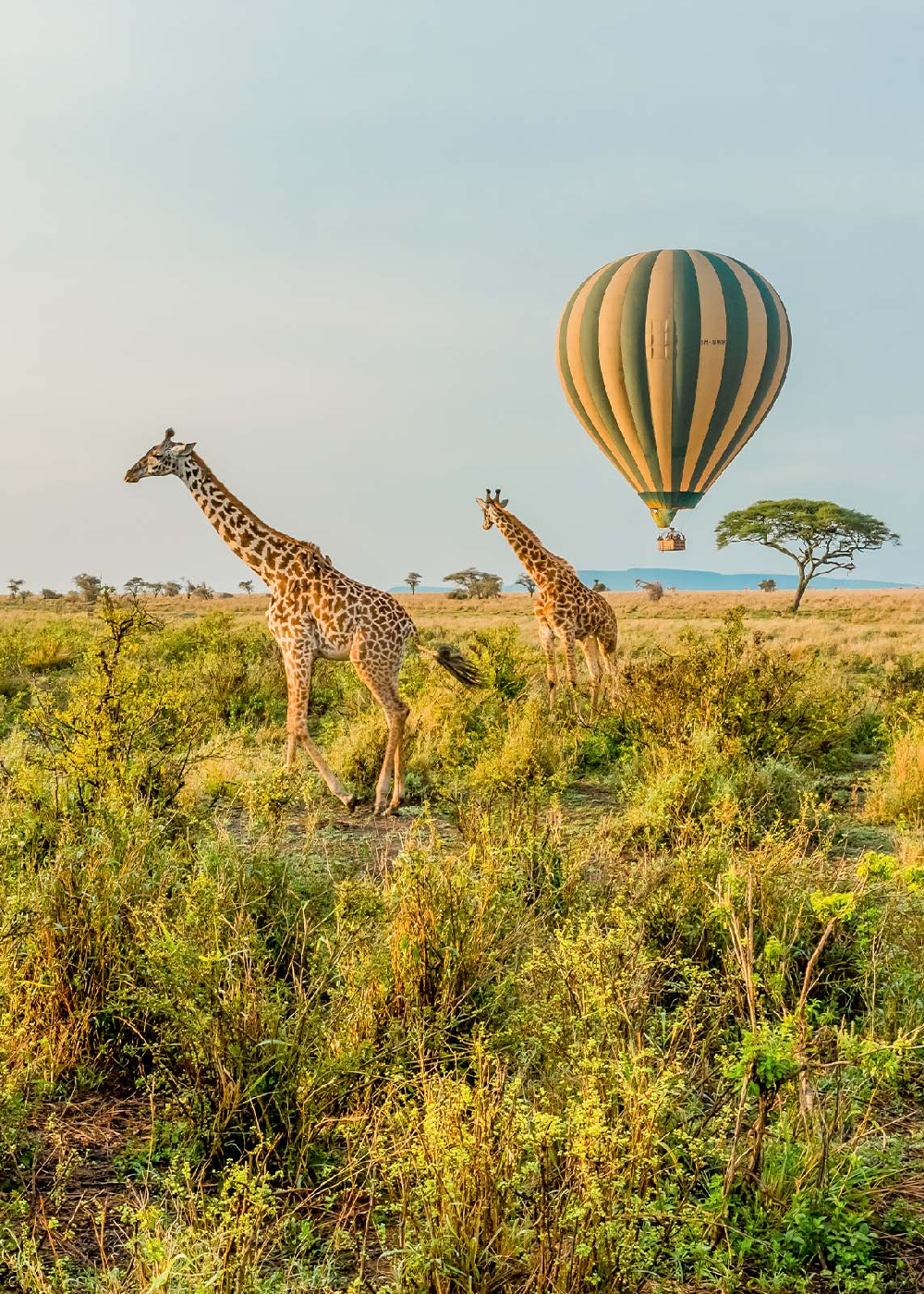
Tanzania, a land of attractive landscapes and diverse wildlife, offers visitors a range of experiences year-round, but the best time to visit depends on what you seek. For wildlife enthusiasts and safari lovers, the dry season from June to October is ideal. The weather is cooler, and animals congregate around water sources, making game viewing easier, especially in popular parks like Serengeti and Ngorongoro Crater. This period also aligns with the Great Migration, a breathtaking spectacle where millions of wildebeest, zebras, and gazelles cross the Serengeti.

For those interested in Climbing Mount Kilimanjaro, the best months are January to March and June to October, when the weather is typically drier and more predictable, allowing for safer trekking conditions. If you’re after a more peaceful, budget-friendly experience, the shoulder months of April and May offer fewer crowds and lush green landscapes, particularly for those looking to explore Zanzibar’s pristine beaches or the Selous Game Reserve. No matter the time of year, Tanzania’s natural beauty and rich culture are sure to leave a lasting impression, making it a destination that caters to all kinds of travellers.

Tanzania's Weather Guide

Tanzania boasts a tropical climate, with warm temperatures year-round. The dry season from June to October offers cooler, pleasant weather—perfect for safaris and outdoor adventures. November to May brings the rainy season, with heavy rains from March to May and lighter showers from November to December. While this period is less crowded, it’s a great time to experience lush landscapes and fewer tourists. Coastal areas like Zanzibar enjoy warmth and humidity throughout the year, with occasional rainfall. Regardless of the season, Tanzania offers incredible experiences year-round.

Best Time to Go to Tanzania on Safari

The Best Time to go on A Safari in Tanzania is during the dry season from June to October. With clear skies and cooler temperatures, wildlife viewing is optimal as animals gather around water sources, especially in iconic parks like Serengeti and Ngorongoro Crater. This period also coincides with the Great Migration, a breathtaking spectacle of wildebeest and zebras crossing the Serengeti. For a quieter, more affordable safari, consider the short rains (November to December), when the landscapes are lush, and the crowds are fewer.

Which Types of Seasons in Tanzania

Tanzania offers a diverse climate, influenced by its tropical location, with two main seasons: the dry season and the rainy season. Each season brings its own unique beauty, making it important to plan your visit according to your interests and the experiences you’re after.

Dry Season (June to October)

The dry season is the most popular time to visit Tanzania, especially for safari lovers. The skies are clear, and the temperatures are cooler, making outdoor activities like game drives, hiking, and beach excursions more comfortable. National parks such as Serengeti, Ngorongoro Crater, and Tarangire are ideal for wildlife sightings during this period as animals tend to congregate around water sources, providing excellent opportunities for spotting wildlife. It’s also the Best Time to Climb Mount Kilimanjaro due to drier, safer trekking conditions.

Rainy Season (November to May)

The rainy season is divided into two phases: the short rains (November to December) and the long rains (March to May). While the short rains are generally lighter and offer a quieter, more affordable travel experience, the long rains bring heavier downpours, making some areas less accessible. However, the lush greenery and vibrant birdlife during this time are a photographer’s dream, and the fewer crowds offer a more tranquil experience.

Essential Tips to Choose the Best Time to Visit Tanzania

When choosing the Best Time to visit Tanzania, consider your interests. For safaris, the dry season (June to October) is ideal, offering clear skies and optimal wildlife viewing. If you’re a nature lover or photographer, the rainy season (November to May) brings lush landscapes and vibrant birdlife, especially during the short rains (November to December). For trekking Mount Kilimanjaro, the dry months (January-March, June-October) offer the safest, most comfortable conditions. Lastly, if you’re looking for a quieter, more budget-friendly experience, consider visiting during the shoulder seasons.

Planning Your Trip to Tanzania

When planning your luxury trip to Tanzania, timing is everything to ensure an unforgettable experience. For the best safari adventure, visit during the dry season (June to October), when wildlife is abundant and game viewing is at its peak. If you seek tranquillity and lush landscapes, the rainy season (November to May) offers a serene, green escape with fewer tourists. For the ultimate Kilimanjaro climb, the dry months (January-March, June-October) provide the best trekking conditions. Eseki Luxury Travel, we’ll help you choose the perfect time for your tailor-made adventure.

let’s know more About Tanzania

Frequently asked questions

When is the best time for a Tanzania safari?

The best time for a safari is during the dry season, from June to October. The weather is pleasant, and animals gather around water sources, making wildlife viewing easier. This is also when the Great Migration takes place in the Serengeti, offering spectacular sightings.

The rainy season, from March to May, brings lush landscapes but also heavy rainfall, making some roads inaccessible. While the rains can limit some activities, it’s a quieter time for travel, with fewer tourists and lower prices. It’s perfect for birdwatching and photography of vibrant landscapes.

Yes, January to February is a great time to visit. The weather is warm but not too hot, and it’s ideal for seeing the wildebeest calving in Serengeti. You’ll also find fewer crowds, allowing a more peaceful and private safari experience with excellent wildlife sightings.

Can I visit Tanzania during the short rains (November to December)?

Yes, November to December offers a more affordable experience, with short rains typically happening in the afternoon or evening. The landscapes are lush and green, and wildlife is still abundant. This is also a quieter period, perfect for travellers seeking a peaceful, more budget-friendly safari.

The best time to climb Mount Kilimanjaro is during the dry months, from January to March or June to October. These months offer clearer skies, drier conditions, and safer trekking paths, making it easier to summit. Avoid the rainy months for a smoother climbing experience.

Tanzania’s summer, from December to February, is generally warm and sunny, making it a great time for beach holidays and safaris. Coastal areas, including Zanzibar, are particularly enjoyable. The dry weather is ideal for exploring national parks and enjoying outdoor activities like hiking and wildlife watching.

What travellers say

Explore Tanzania’s Safari: A Journey of Wildlife, Culture, and Adventure

Join us on Tanzania’s safari adventure, where wildlife, culture, and thrill await your discovery.