Zanzibar Culture

Zanzibar Culture

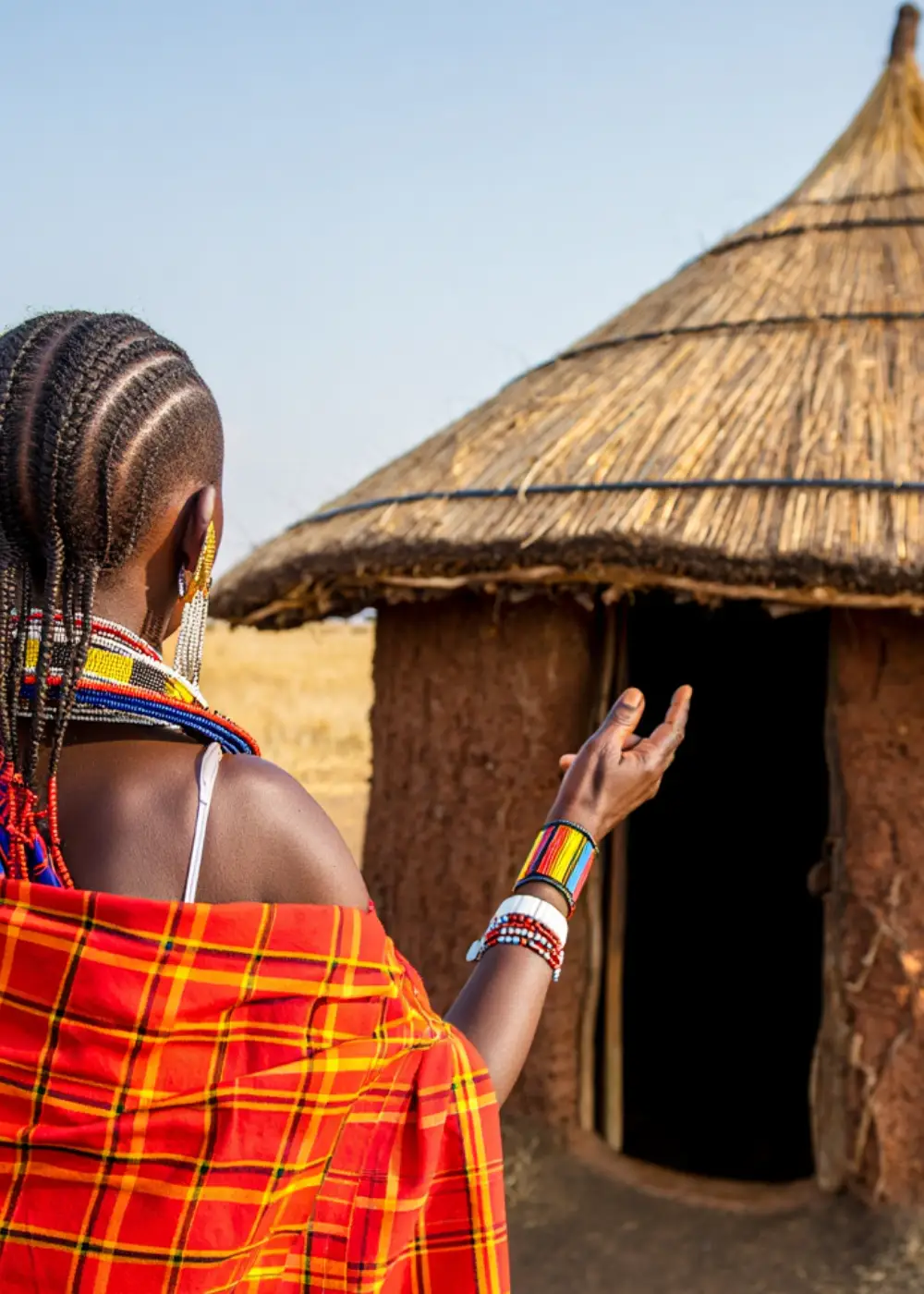
Zanzibar’s culture is an attractive blend of influences from Africa, the Middle East, India, and Europe, shaped by centuries of trade, exploration, and intermingling of traditions. Walking through Stone Town, a UNESCO World Heritage site, feels like stepping into history—where ornate Arabian doors, Swahili architecture, and bustling spice markets tell stories of Zanzibar’s past. The island’s Swahili culture thrives in its warmth and hospitality. With a predominantly Muslim population, customs emphasize respect, modesty, and community. The call to prayer echoes through the narrow streets, and the daily rhythm of life is centred around family, faith, and food.

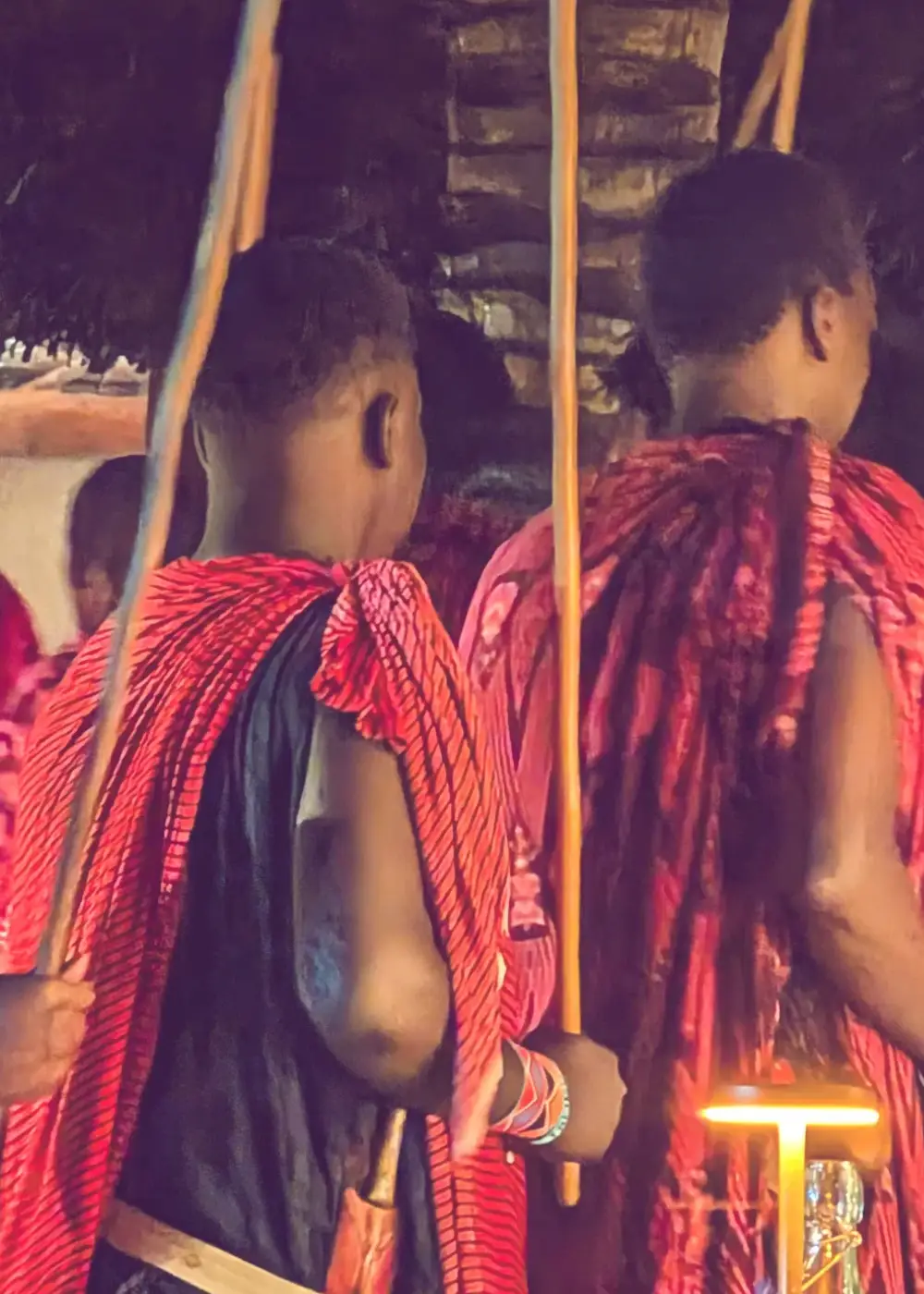
Art, music, and dance are integral to Zanzibari life. Taarab music, a soulful fusion of Arabic, Indian, and African rhythms, fills the air during celebrations, weddings, and festivals, bringing the island to life with its emotional lyrics and melodies. Local artisans craft intricate wood carvings, woven baskets, and beautiful textiles, each piece telling a story of tradition. Whether you’re tasting food in a family kitchen, joining in a lively street festival, or exploring local markets, Zanzibar Culture invites you to immerse yourself in its deep sense of history, identity, and connection.

How Is the Culture in Zanzibar?

Zanzibar’s culture is a vibrant blend of African, Arab, Indian, and European influences, creating a unique and welcoming atmosphere. The island’s rich Swahili heritage is reflected in its music, art, food, and daily life. People here are known for their hospitality, and religion plays an important role, with the majority being Muslim. Traditional Taarab music, lively festivals, and colourful markets are part of the island’s pulse. Whether wandering through Stone Town or enjoying a meal with locals, Zanzibar’s culture offers a warm invitation to experience its rich history, diverse traditions, and communal spirit.

Zanzibar People and Culture

Zanzibar’s people are known for their warmth, hospitality, and deep sense of community. The island’s culture is a beautiful blend of African, Arab, Indian, and European influences, shaped by centuries of trade. Swahili traditions run deep here, seen in everything from daily life to art, music, and food. The call to prayer echoes through Stone Town’s narrow streets, while Taarab music fills the air during celebrations. Locals value respect, modesty, and family, making visitors feel welcomed. Exploring Zanzibar means connecting with a people whose vibrant culture is rich in history and traditions.

How to Respect Local Customs and Traditions

Respecting Zanzibar’s local customs and traditions is essential to fostering positive interactions with the island’s warm-hearted people. Zanzibar is predominantly Muslim, so dressing modestly is appreciated, especially when visiting towns like Stone Town or religious sites. Women should avoid wearing short skirts or revealing tops; instead, cover your shoulders and wear clothing that reaches the knees. Men, too, should be mindful of their attire, particularly when entering religious or formal spaces. A simple greeting like “Jambo” or “Habari” (meaning “Hello” or “How are you?”) goes a long way in establishing goodwill and showing respect for the local Swahili culture.

When exploring Zanzibar, it’s important to be mindful of the island’s deep connection to faith. If you’re visiting mosques, always remove your shoes before entering, and respect prayer times by being quiet and unobtrusive. Taking photos, especially of local people, should always be done with permission—this ensures a respectful exchange. Simple gestures of respect for the local way of life—whether it’s asking before photographing, dressing modestly, or showing interest in the island’s culture—will deepen your connection to Zanzibar and its people, making your experience even more meaningful.

Dress Modestly

Zanzibar is predominantly Muslim, so dress modestly, especially when visiting towns or religious sites. Women should cover shoulders and knees; men should avoid shorts in formal settings.

Respect Religious Practices

Zanzibar’s spiritual practices are deeply valued. Be mindful during prayer times, remove shoes when entering mosques, and avoid disrupting worship. Respectful behaviour is appreciated and fosters meaningful connections.

Proper Greetings and Interaction

A friendly “Jambo” or “Habari” goes a long way! Greet locals warmly, ask questions, and show genuine curiosity about their culture. They’ll appreciate the effort.

Tipping and Hospitality

Tipping is appreciated for good service, but not expected. In restaurants, a 10% tip is customary. Always thank your hosts—Zanzibari hospitality is warm, and gratitude goes far.

Explore Zanzibar Cultural Highlights

Stone Town

Zanzibar’s historic Stone Town is a UNESCO World Heritage site, where ancient Swahili, Arab, and European architecture blend beautifully.

Taarab Music

Taarab, a soulful blend of Arab, African, and Indian rhythms, is central to Zanzibar’s music scene, performed during celebrations.

Swahili Cuisine

Swahili cuisine reflects Zanzibar’s cultural influences, with dishes like biryani, pilau, and fresh seafood that captivate visitors’ taste buds.

Local Markets

Zanzibar’s lively markets, like Forodhani Gardens, are full of vibrant colours, exotic spices, and delicious street food, embodying the island’s spirit.

Traditional Handicrafts

Zanzibar is known for its intricate handicrafts, including hand-carved wooden doors, baskets, and woven textiles—perfect for taking home a souvenir.

Zanzibar Festivals and Events

Sauti za Busara Festival

A lively celebration of African music, featuring talented artists from across the continent, held annually in Stone Town.

Zanzibar International Film Festival (ZIFF)

The largest cultural event in East Africa, showcasing international films, local cinema, and vibrant performances in an inspiring setting.

Mwaka Kogwa Festival

A colourful celebration of the Shirazi New Year, featuring traditional dances, music, and fun, playful mock battles in the streets.

Zanzibar Spice Festival

A fragrant celebration of the island’s spice heritage, offering tours, cooking classes, and tastings of Zanzibar’s famous aromatic spices.

Zanzibar Tourism Festival

A lively annual event celebrating the island’s rich cultural diversity, with performances, parades, and a showcase of local art and cuisine.

Let’s know more about Zanzibar

Frequently asked questions

What is Zanzibar's cultural heritage?

Zanzibar’s culture is a vibrant fusion of African, Arab, Indian, and European influences, shaped by centuries of trade. This blend is reflected in the island’s architecture, music, food, and traditions. The Swahili culture, with its emphasis on hospitality, storytelling, and music, lies at the heart of Zanzibar’s identity.

Taarab music is the soul of Zanzibar, blending African rhythms with Arabic, Indian, and Swahili influences. Often performed at weddings and celebrations, it’s characterized by emotional lyrics, rich melodies, and instruments like the oud and qanun. Taarab is a beautiful reflection of Zanzibar’s deep cultural and historical connections.

Zanzibar is predominantly Muslim, and religion plays a central role in daily life. Islamic practices influence customs, social behaviour, and festivals. Visitors should be respectful during prayer times, dress modestly, and follow cultural norms, especially around religious sites. The island’s faith-based values promote community, hospitality, and respect.

How do people in Zanzibar greet each other?

In Zanzibar, greeting someone is an important social custom. A friendly “Jambo” (Hello) or “Habari” (How are you?) is common. Locals often take time for meaningful conversation, showing genuine interest in one another. Polite, respectful greetings go a long way and help foster positive connections with the community.

Food is central to Zanzibar’s cultural identity, reflecting the island’s diverse influences. Meals are often shared with family and friends, creating a sense of community. Swahili cuisine—featuring fresh seafood, aromatic spices, and coconut-based dishes—encapsulates the island’s history, blending flavors from Africa, Arabia, India, and beyond in every bite.

Zanzibar celebrates several festivals, with the Sauti za Busara music festival and Mwaka Kogwa marking key cultural moments. The Zanzibar International Film Festival (ZIFF) showcases African cinema, while the Zanzibar Spice Festival highlights the island’s spice heritage. These vibrant celebrations unite locals and visitors in the island’s lively cultural spirit.

What travellers say

Explore Tanzania’s Safari: A Journey of Wildlife, Culture, and Adventure

Join us on Tanzania’s safari adventure, where wildlife, culture, and thrill await your discovery.